

How to Write Atmosphere: Crafting Eerie Settings in Gothic Fiction
How do you conjure that irresistible, eerie mood that lingers long after the last page? Let’s unlock the secrets.

How to Write Atmosphere: Crafting Eerie Settings in Gothic Fiction
If you’ve ever found yourself spellbound by a story where the air feels thick with secrets and every shadow seems to breathe, you’ve experienced the magic of atmosphere. In gothic fiction, atmosphere isn’t just background decoration-it’s the very soul of the story, the invisible hand that guides your reader’s heart into the darkness. So, how do you conjure that irresistible, eerie mood that lingers long after the last page? Let’s unlock the secrets.
Choose a Setting That Lives and Breathes
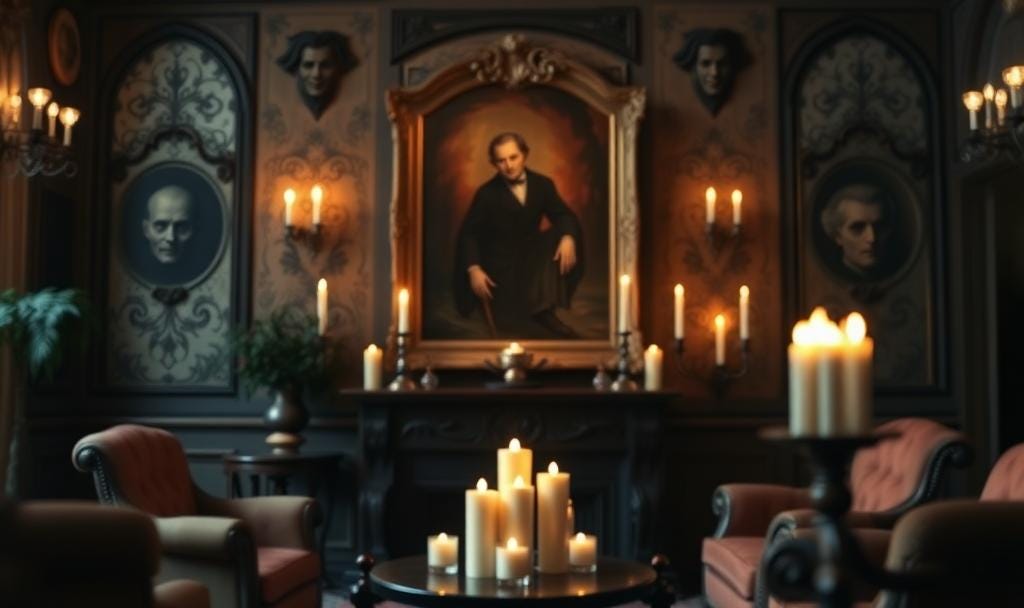
First, your setting should feel alive-almost as if it’s a character itself. Think crumbling castles with echoing halls, mist-shrouded moors where the wind howls, or ancient forests that seem to whisper your name. The best gothic locations aren’t just places; they’re haunted, mysterious, and dripping with history.
Engage All the Senses
Don’t just tell us what your characters see-invite us to smell the damp earth, hear the distant toll of a bell, and feel the chill of a draft that carries a hint of something unspoken.
Is the wallpaper peeling in faded patterns?
Does the air taste of dust and old secrets?
Can your protagonist hear footsteps that aren’t their own?
Sensory details are your best friends. They pull readers out of their safe, well-lit rooms and into your world of shadows.
Play With Light and Weather
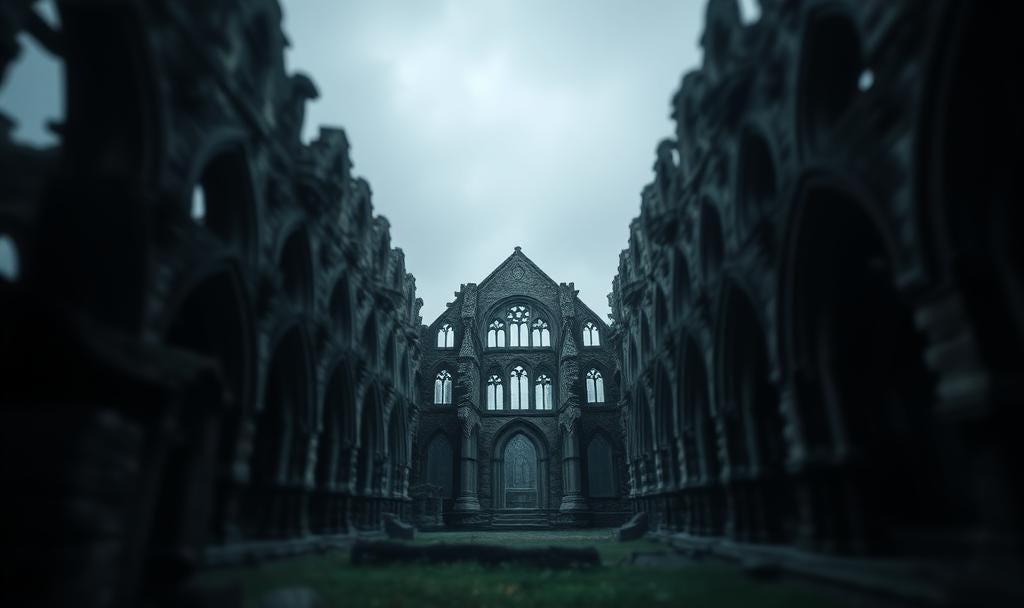
In gothic fiction, weather isn’t just a backdrop-it’s a mood-setter. Storms rage, fog creeps, and moonlight flickers through broken windows. Use light and darkness to your advantage. Candlelight can cast dancing shadows that play tricks on the mind, while a sudden thunderclap can make even the bravest heart skip a beat.
Let the Setting Reflect Emotion
A gothic setting often mirrors the inner turmoil of its characters. Is your heroine feeling trapped? Let the walls seem to close in. Is your protagonist hopeful? Maybe a single sunbeam breaks through the gloom. The environment should echo the emotional stakes, amplifying fear, longing, or suspense.
Balance Description With Action
It’s tempting to get lost in lush description, but remember: atmosphere is most powerful when it serves the story. Sprinkle in details that heighten tension or foreshadow danger, but keep the plot moving. Let your characters interact with their environment-flinching at a cold touch, lingering in a forbidden room, or fleeing down a corridor that seems to stretch forever.

Keep the Mystery Alive
The gothic thrives on what’s left unsaid. Hint at secrets behind locked doors, suggest histories that go unspoken, and leave just enough unanswered questions to keep readers turning pages with bated breath.
Atmosphere isn’t just a setting… it’s a spell you cast. With the right details, you can make your readers feel the chill, hear the whispers, and lose themselves in the delicious gloom of your gothic world. So go on… light a candle, let the shadows gather, and write a setting that will haunt your readers long after the story ends.
Thank you for wandering these haunted halls with us. What Gothic spaces have left their mark on your imagination? Share your stories in the comments, or suggest a haunted locale for us to explore in a future issue.
Stay enchanted,
E.J. Moon
© 2025 Midnight Masquerade. All rights reserved.